

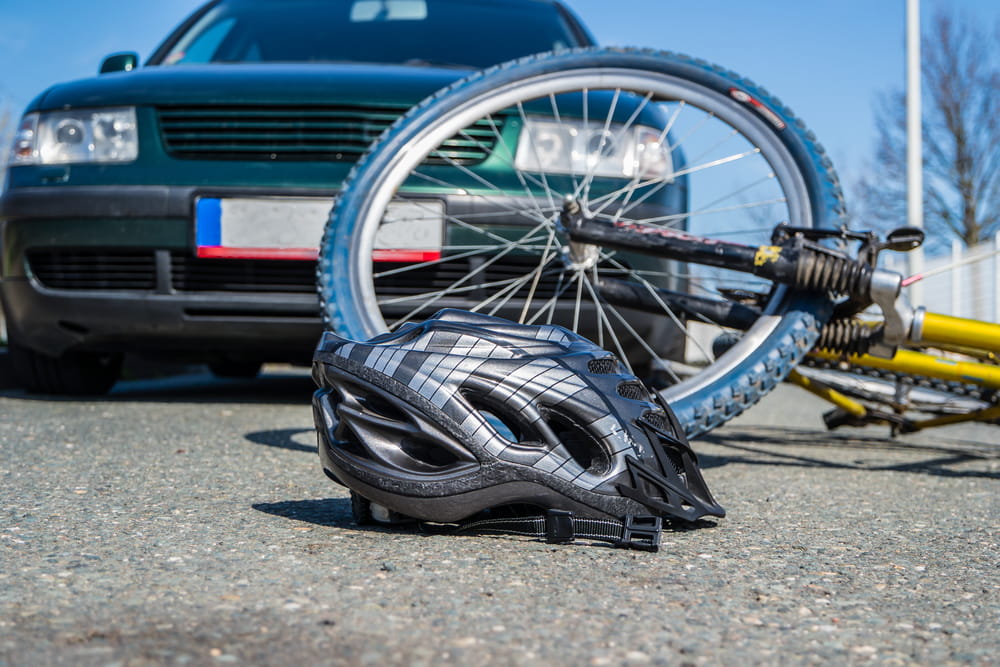
A ride on the Monon Trail or a commute through downtown Indianapolis can quickly turn dangerous when a motor vehicle is involved. In bicycle and vehicle collisions, cyclists face the greatest risk due to the lack of physical protection.
These crashes often cause injuries ranging from road rash to traumatic brain injuries, along with mounting medical bills and lost income. A serious bicycle crash can change your life in seconds. You should not have to shoulder the financial burden of someone else’s negligence.
Understanding the most common types of bicycle accidents can help riders and drivers reduce risks and can also help injured cyclists identify whether another party may be legally responsible based on how the crash occurred. If you were injured in a crash, a bicycle accident lawyer can help you understand your legal options and pursue compensation.
Most Common Bicycle Accidents in Indiana
The most common bicycle accidents in Indiana include intersection crashes such as right hook and left cross collisions, dooring incidents involving parked vehicles, rear-end collisions, and sideswipe crashes caused by unsafe passing.
Road hazard accidents involving potholes or unsafe pavement conditions also frequently injure cyclists.
Many of these crashes result from driver inattention, failure to yield, or violation of Indiana traffic laws. Determining the type of accident is critical to establishing legal responsibility and pursuing compensation.
If you were injured while cycling on Indiana roads, contact a bicycle accident attorney at Hurst Limontes for a free consultation.
Key Takeaways for Bicycle Accident Victims in Indiana
- Intersection crashes, including right hook and left cross collisions, account for a significant portion of serious cyclist injuries in urban areas.
- Dooring accidents happen without warning when vehicle occupants open doors into bike lanes or roadways without checking for approaching riders.
- Under Indiana law, cyclists generally have the same rights and duties as motor vehicle drivers when using public roadways, except where provisions apply only to motor vehicles.
- Indiana generally imposes a two-year statute of limitations on personal injury claims, meaning injured cyclists typically must act promptly to preserve their right to pursue compensation, subject to limited exceptions.
- Rear-end collisions, sideswipe accidents, and crashes caused by road hazards all present viable grounds for personal injury claims when negligence plays a role.
Why Do Most Bicycle Accidents Happen at Intersections?
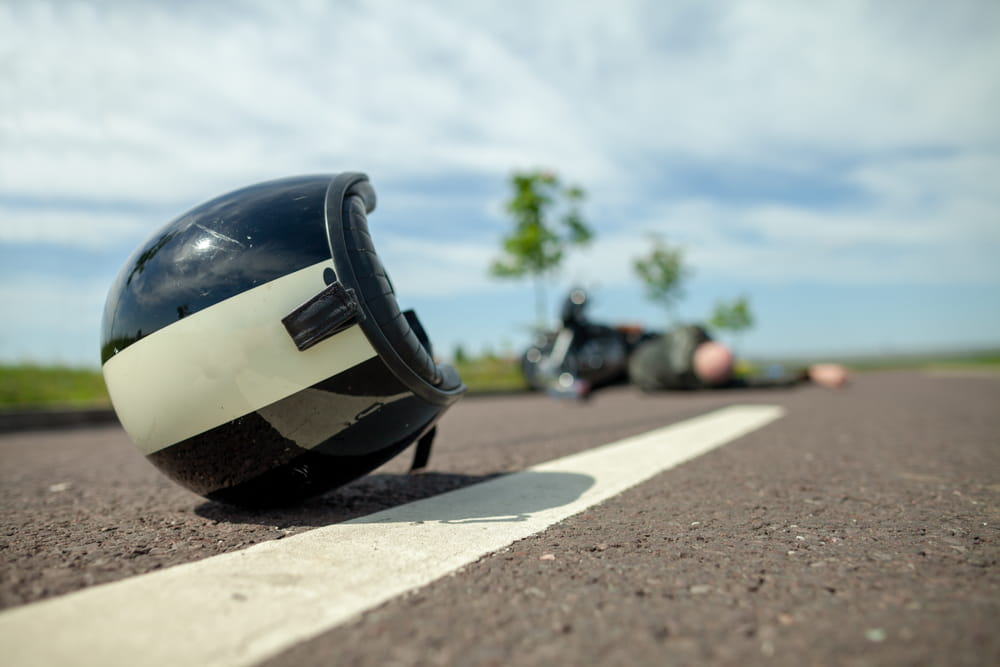
Intersections present a high risk for cyclists in Indianapolis, Fort Wayne, Evansville, and other Indiana cities. Vehicles, pedestrians, and cyclists converge in tight spaces, and driver errors often result in serious crashes.
Right Hook Accidents
A right hook occurs when a driver traveling alongside a cyclist turns right into the cyclist’s path. The rider may be moving straight through the intersection or riding in a bike lane when the vehicle cuts across.
Common causes include drivers failing to check mirrors or blind spots, misjudging a cyclist’s speed, heavy traffic that obscures visibility, and large vehicles with limited sightlines. These crashes leave cyclists little time to react and often cause head injuries, broken bones, and internal injuries.
Left Cross Collisions
A left cross crash happens when a driver turning left crosses directly in front of an oncoming cyclist. The driver may overlook the rider or misjudge the time needed to complete the turn.
These collisions occur at intersections across Indiana, from busy commercial areas to residential streets. Distraction and poor visibility are frequent factors, and the impact often throws the cyclist onto the roadway or the vehicle.
Under Indiana Code 9-21-11-2, cyclists on roadways hold the same rights as motor vehicle drivers. A driver who turns left without yielding to an oncoming cyclist who is lawfully proceeding may violate Indiana traffic law and may be held liable for resulting injuries.
What Makes Dooring Accidents So Dangerous for Cyclists?
Dooring happens when someone inside a parked vehicle opens a door directly into the path of an approaching cyclist. The rider has mere seconds to react, and the options rarely lead to good outcomes.
Swerving into traffic risks a collision with a moving vehicle. Braking hard may not stop the bike in time. Striking the door often launches the cyclist into the street.
Common Locations for Dooring Crashes
Urban areas with on-street parking see the highest rates of dooring accidents. In Indianapolis, streets near Mass Ave, Fountain Square, and Broad Ripple feature heavy parking turnover alongside popular cycling routes. Cyclists navigating these areas face constant risk from vehicle occupants who exit without looking.
Ride-share services add another safety risk. Passengers exiting Uber or Lyft vehicles often step out curbside without checking for cyclists traveling in adjacent lanes. Many passengers are unfamiliar with the area and may not expect nearby bicycle traffic.
Typical Dooring Injuries
The sudden stop when a cyclist strikes an open door causes violent forward momentum. Riders frequently suffer traumatic brain injuries from striking the door, pavement, or passing vehicles.
Facial fractures and dental damage occur in frontal impacts. Shoulder dislocations and collarbone breaks result from landing on extended arms. Spinal injuries happen during awkward landings or secondary collisions with traffic.
Indiana law does not have a specific anti-dooring statute like some other states, but negligence principles still apply. A person who opens a vehicle door without exercising reasonable care may face liability for injuries caused to a cyclist.
What’s at Stake After a Bicycle Accident in Indiana?
A serious bicycle crash can lead to:
- Emergency surgery and hospitalization costs
- Long-term rehabilitation and physical therapy
- Lost wages and reduced earning capacity
- Permanent disability or cognitive impairment
- Ongoing pain and reduced quality of life
Even a single intersection collision can create six-figure medical expenses. When a traumatic brain injury or spinal injury occurs, lifetime costs can reach into the millions.
Understanding the type of crash is the first step toward determining who is financially responsible.
How Do Rear-End Bicycle Collisions Occur?
A rear-end bicycle crash occurs when a motor vehicle strikes a cyclist from behind. These accidents happen on roads without dedicated bike infrastructure, along shoulders, and even in designated bike lanes.
Primary Causes of Rear-End Crashes
Distracted driving tops the list of causes for rear-end collisions with cyclists. A driver looking at a phone screen, adjusting music, or reaching for something in the vehicle takes their eyes off the road at exactly the wrong moment. The cyclist ahead becomes an obstacle discovered too late for the driver to react.
Impaired driving also contributes to these crashes. Alcohol and drugs slow reaction times and impair judgment, making it harder for drivers to respond appropriately when approaching a slower-moving cyclist.
Poor visibility plays a role as well. More than half of fatal bicycle crashes nationally occur in dark conditions, according to data from the National Highway Traffic Safety Administration. Cyclists riding at dusk, dawn, or nighttime without proper lighting face heightened risk from drivers who simply do not see them.
Severity of Rear-End Impacts
When a vehicle strikes a cyclist from behind, the rider typically flies forward off the bike while the bicycle crumples under the vehicle. The cyclist may then be struck again as the vehicle continues forward or as following traffic arrives at the scene.
These crashes can result in severe injuries, including spinal cord injuries. The violent forward and downward motion compresses vertebrae and damages nerve tissue. Paralysis, chronic pain, and permanent disability may follow.
When Do Indiana Bicycle Accident Attorneys Handle Sideswipe Cases?
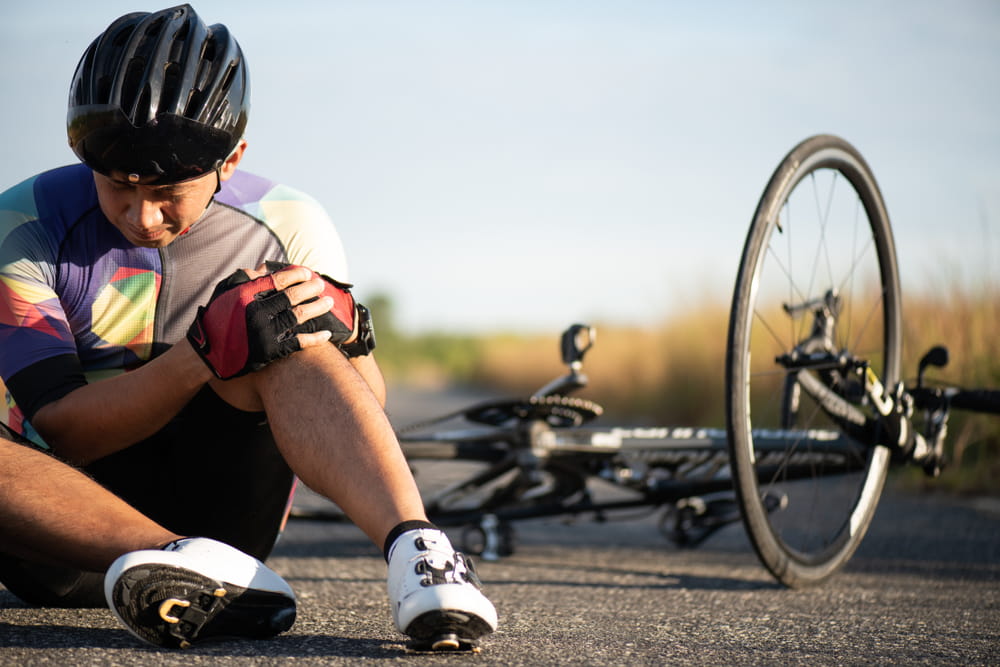
A sideswipe crash happens when a passing vehicle clips a cyclist while attempting to overtake them. Indiana’s safe passing law, enacted in July 2019, requires motorists to maintain at least three feet of clearance when passing a bicycle. Drivers who violate this requirement put cyclists at serious risk.
Why Sideswipe Crashes Happen
Impatient drivers refuse to wait for a safe passing opportunity and squeeze past cyclists in narrow lanes. This behavior occurs frequently on two-lane roads in suburban and rural Indiana, where shoulders may be narrow or nonexistent.
Inattentive drivers drift within their lanes without realizing a cyclist rides nearby. A moment of distraction results in the vehicle crossing into the cyclist’s space.
Large vehicles like semi-trucks and buses create additional hazards. Air displacement from these vehicles buffets cyclists as they pass, potentially knocking riders off balance even without direct contact.
Injuries and Legal Considerations
Sideswipe accidents often knock cyclists to the ground at speed. Road rash, broken limbs, and head injuries result from the initial impact and subsequent fall. In some cases, the cyclist lands in the path of following traffic, leading to secondary collisions.
The 2019 Indiana safe passing law strengthens the position of injured cyclists in these cases. A driver who passes too closely may violate Indiana’s safe passing statute, which can serve as evidence of negligence in a personal injury claim.
What Causes Road Hazard Bicycle Crashes in Indiana?
Not every bicycle accident involves another vehicle. Potholes, cracked pavement, debris, and poor road design cause cyclists to lose control and crash without any motorist involvement.
Types of Road Hazards Affecting Indiana Cyclists
Indiana roads present numerous hazards to cyclists throughout the state:
- Potholes that form during freeze-thaw cycles throughout Indiana winters.
- Railroad crossings with gaps that catch narrow bicycle tires.
- Drainage grates oriented parallel to traffic flow, creating slots that trap wheels.
- Construction zones with uneven pavement, loose gravel, and inadequate signage.
- Debris from vehicle accidents, fallen cargo, or storm damage.
Municipal governments and state agencies have duties related to roadway maintenance, and in some circumstances, a failure to address known hazards may give rise to liability, subject to the Indiana Tort Claims Act and applicable immunities.
These hazards affect cyclists differently than motor vehicles. A pothole that merely jolts a car may throw a cyclist completely off the bike. A metal grate that presents no issue for wide tires becomes a trap for bicycle wheels.
Pursuing Claims for Road Hazard Accidents
When a road hazard causes a bicycle crash, the responsible party may be a government entity, a construction company, or a property owner. Indiana Code section 34-13-3 addresses tort claims against governmental entities, including notice requirements and damage caps.
Filing a claim against a city, county, or state agency requires following specific procedures within tight deadlines. Claims against cities or counties generally require notice within 180 days, while claims against the state typically require notice within 270 days under the Indiana Tort Claims Act. A bicycle accident attorney helps navigate these requirements to protect your right to pursue compensation.
What Should Cyclists Know About Hit-and-Run Bicycle Accidents?
Some bicycle accidents become even more traumatic when the driver leaves the scene. Hit-and-run crashes leave injured cyclists without immediate assistance and create challenges for identifying the responsible party.
Challenges in Hit-and-Run Cases
Injured cyclists may be unable to note license plate numbers or vehicle descriptions due to shock, pain, or the speed of the departing vehicle. Witnesses may not have observed the collision or may provide conflicting accounts.
Law enforcement investigates hit-and-run crashes, but many cases go unsolved. Traffic cameras, surveillance footage from nearby businesses, and vehicle debris at the scene may provide leads for identifying the responsible driver.
Recovery Options After a Hit-and-Run
Even when the at-fault driver remains unidentified, injured cyclists may have options for compensation. Uninsured motorist coverage on an auto insurance policy may apply to bicycle accidents under certain circumstances. Medical payments coverage may cover treatment costs regardless of fault. An Indianapolis bicycle accident attorney reviews available insurance policies and helps injured cyclists access every potential source of recovery.
Can I Recover Compensation If I Was Partially at Fault?
Indiana follows a modified comparative fault system. You may recover damages if you are less than 51% responsible for the crash. However, your compensation will be reduced by your percentage of fault. Insurance companies often attempt to shift blame to cyclists, making early legal guidance critical.
How a Bicycle Accident Attorney at Hurst Limontes Helps Indiana Cyclists

Recovering from a serious cycling injury often involves more than medical treatment. Injured cyclists may face rising expenses, lost wages, and insurance companies focused on limiting payouts. A bicycle accident attorney at Hurst Limontes handles the legal process so you can focus on healing.
Investigating the Crash
Attorneys at Hurst Limontes collect evidence such as police reports, traffic camera footage, and witness statements to identify driver negligence. Whether the collision occurred in Indianapolis, Carmel, or on a rural Marion County road, the firm works to establish what happened.
Managing Insurance Communications
Insurance adjusters often seek recorded statements or quick settlements that can weaken a claim. When Hurst Limontes represents you, the firm handles all communications and pushes back against unfair offers and tactics.
Pursuing Compensation
Bicycle accident injuries often result in substantial medical expenses, lost income, and long-term effects. Hurst Limontes evaluates both financial losses and non-economic harms, including pain and reduced quality of life, to seek appropriate compensation.
The firm represents clients on a contingency fee basis, with no upfront costs and no attorney fees unless compensation is recovered.
What Compensation Is Available After a Bicycle Accident?
A successful bicycle accident claim in Indiana may include:
- Past and future medical expenses
- Lost wages and reduced earning capacity
- Pain and suffering
- Emotional distress
- Permanent disability damages
- Property damage for bicycle replacement
Severe cases involving traumatic brain injury or paralysis may require long-term life care planning and economic projections to calculate lifetime losses.
FAQs for Bicycle Accident Attorneys
What damages may I recover after a bicycle accident in Indiana?
Injured cyclists may pursue compensation for medical expenses, lost wages, pain and suffering, emotional distress, and property damage. In cases involving permanent injury, compensation for future medical care and reduced earning capacity may also be available. The specific damages depend on the circumstances of the crash and the severity of injuries sustained.
Does Indiana require cyclists to wear helmets?
Indiana does not require adult cyclists to wear helmets, though helmet use significantly reduces the risk of head injuries. However, insurance companies sometimes argue that an unprotected rider bears partial responsibility for head injuries sustained in a crash. Helmet use remains strongly recommended regardless of legal requirements.
How long do I have to file a bicycle accident lawsuit in Indiana?
Under Indiana Code section 34-11-2-4, personal injury lawsuits must generally be filed within two years of the accident date. Claims against government entities have shorter notice periods, sometimes as little as 180 days. Consulting with a bicycle accident attorney promptly helps protect your right to pursue compensation.
What if I was partially at fault for my bicycle accident?
Indiana follows a modified comparative fault system. You may still recover compensation if you bear less than 51% of the fault for the accident, though your recovery decreases by your percentage of responsibility.
Do bicycle lanes protect cyclists from legal liability?
Riding in a designated bicycle lane does not automatically shield a cyclist from comparative fault arguments, but it does demonstrate compliance with traffic patterns. Drivers who enter bike lanes or fail to yield to cyclists in those lanes typically bear liability for resulting crashes. The presence or absence of bike infrastructure affects how fault is determined in each case.
Contact an Indianapolis Bicycle Accident Attorney at Hurst Limontes Today

William Hurst, Personal Injury
Attorney
A bicycle accident can result in serious injuries and significant financial consequences. Medical costs, lost income, and insurance inquiries often follow, while questions about fault and legal options remain unresolved.
Hurst Limontes represents injured cyclists across Indiana. With decades of combined legal experience, the firm pursues compensation from negligent drivers, vehicle occupants, and government entities responsible for unsafe road conditions. The attorneys handle cases from investigation through settlement negotiations or trial.
Contact Hurst Limontes to schedule a free consultation. There is no upfront cost, and acting promptly helps protect your rights under Indiana law. An experienced bicycle accident attorney can review your case and explain your available legal options.