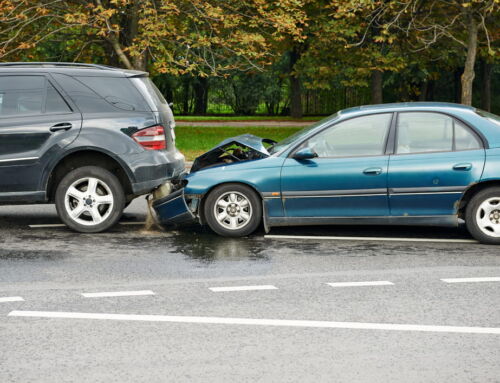

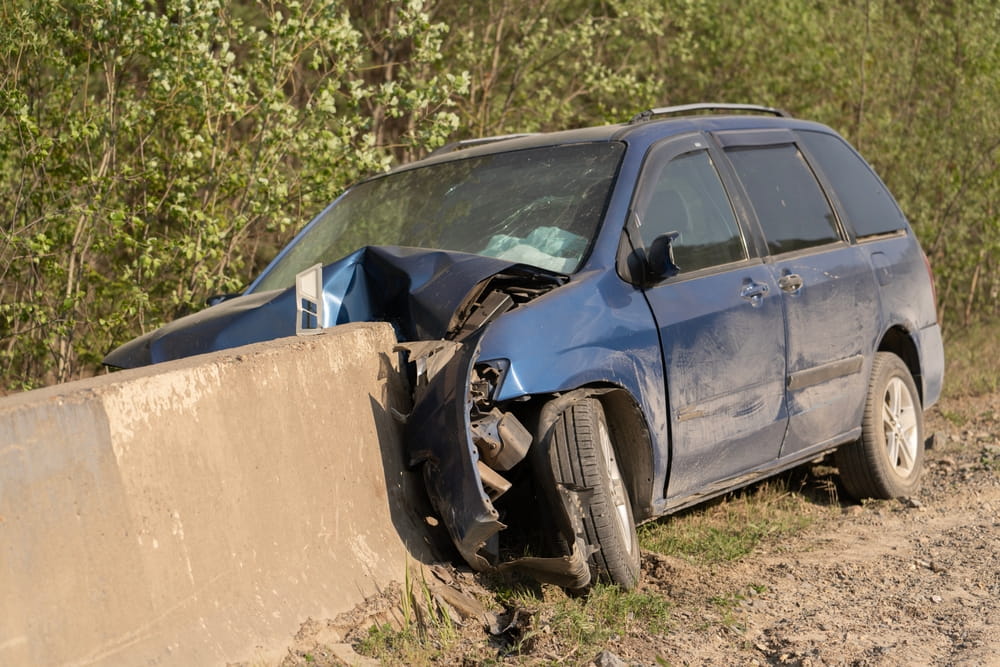
Your premium just went up. Weeks after the crash, the increase hits harder than expected. For many Indiana drivers, the financial fallout of an accident extends beyond repair bills and medical costs. Insurers may raise rates based on perceived risk, considering fault, severity, driving history, and internal policies.
Higher rates can feel especially unfair when you were not at fault. Drivers who are not found at fault may still see their premiums rise, depending on insurer practices. Fortunately, options may exist to dispute improper rate increases under your policy and to seek compensation for accident-related losses from the driver who caused the crash.
If you were injured by another driver’s negligence and are facing higher insurance costs despite not being at fault, a car accident attorney at Hurst Limontes can help you explore your legal options.
Key Takeaways About Insurance Rate Increases After Car Accidents
- At-fault accidents typically result in higher premium increases than not-at-fault accidents, and the severity of the collision affects how much rates rise.
- Indiana operates as an at-fault state, meaning the driver who caused the accident bears financial responsibility for damages through their insurance coverage.
- Under Indiana’s modified comparative fault law, you may still recover compensation if you bear less than 51% of the fault, though your recovery decreases proportionally.
- Insurance rate increases typically last three to five years, and shopping for new coverage may reveal lower premiums from competing carriers.
- Filing a claim against the at-fault driver’s insurance, rather than your own, may reduce the likelihood that the accident affects your premiums, depending on your insurer’s rating practices.
How Can a Hurst Limontes Car Accident Attorney Protect Your Financial Interests?

A car accident often leads to significant financial losses. Medical bills, missed work, vehicle repairs, and pain and suffering can accumulate quickly.
When another driver causes the collision, that driver may be legally liable for your losses, subject to the limits and terms of their insurance coverage. An Indianapolis car accident attorney at Hurst Limontes pursues compensation from the at-fault party so you are not left paying costs caused by someone else.
Proving Liability in an Indiana Car Accident Claim
Insurance companies frequently try to reduce payouts by disputing fault. A car accident attorney conducts a detailed investigation by reviewing police reports, collecting witness statements, analyzing traffic camera footage, and consulting accident reconstruction professionals when appropriate.
Physical evidence such as skid marks, debris patterns, and vehicle damage locations often clarifies how the crash occurred and supports your claim that the other driver was responsible.
Handling Insurance Company Negotiations
Insurance adjusters work to protect their company’s bottom line. They may challenge the severity of injuries, question medical treatment, or argue that prior conditions caused your symptoms.
Attorneys at Hurst Limontes manage all communications with insurers, respond with supporting evidence, and reject settlement offers that do not reflect the full value of your claim. Legal representation can help ensure that claims are properly documented, evaluated, and negotiated.
Recovering Compensation After a Car Accident
An Indiana car accident claim may include compensation for medical expenses, lost wages, property damage, and non-economic damages such as pain and suffering. Indiana law allows recovery for both financial losses and harm that affects daily life. Hurst Limontes represents clients on a contingency fee basis, meaning there is no fee unless compensation is recovered.
Why Do Car Insurance Rates Increase After Accidents in Indiana?
Insurance premiums are based on risk. Drivers involved in accidents are viewed as more likely to file future claims. Indiana follows an at-fault insurance system, meaning the driver who caused the accident is financially responsible for resulting damages. State law requires minimum liability coverage of 25/50/25, which includes $25,000 per person for bodily injury, $50,000 per accident, and $25,000 for property damage.
These minimum limits are often not enough for serious crashes. Hospital stays and vehicle repairs frequently exceed policy limits, which may require pursuing additional compensation through uninsured or underinsured motorist coverage or, in limited cases, directly from the at-fault driver.
At-Fault vs Not-At-Fault Accidents and Insurance Rate Increases
At-fault accidents usually lead to the largest insurance rate increases, especially when injuries or high repair costs are involved. Not-at-fault accidents can still affect premiums in some cases, particularly if a driver files a claim under their own collision or uninsured motorist coverage. Multiple claims within a short period may also result in higher rates.
When another driver caused the crash, filing a claim against their liability insurance instead of your own can help limit the impact on your insurance history and reduce the risk of future premium increases.
What Factors Determine How Much Your Insurance Goes Up?
No universal formula exists for calculating post-accident rate increases. Each insurance company uses its own algorithms and rating factors. What triggers a 20% increase with one carrier might result in a 40% increase with another.
Several variables influence the size of your premium increase after an accident:
- The severity of the accident and total claim amount paid by the insurer.
- Whether the accident involved bodily injury claims in addition to property damage.
- Your driving history before the accident, including prior claims and traffic violations.
- The length of time you held coverage with your current insurer.
- Whether your policy includes accident forgiveness protection.
These factors combine to create a risk profile that determines your new premium. Drivers with previously clean records often see smaller increases than those with existing accidents or violations on their histories.
Geographic location also plays a role in rate calculations. Drivers in areas with higher accident rates, more traffic congestion, or greater vehicle theft may pay more than those in lower-risk regions. Indianapolis drivers, for example, may face different baseline rates than those in rural Indiana communities.
How Long Do Accident Rate Increases Last?
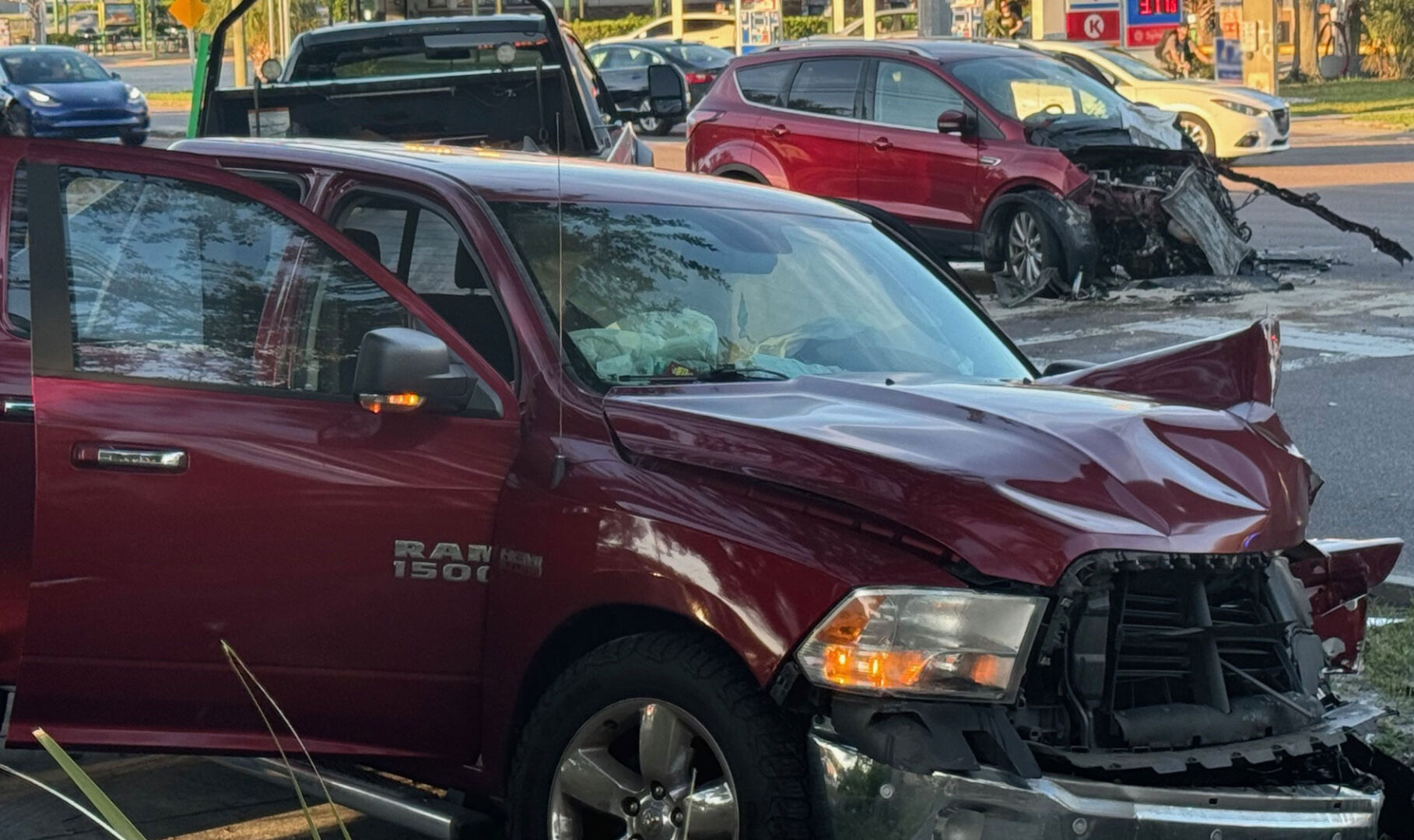
After an accident, insurance rate increases usually last three to five years, depending on the insurer and state rules. As time passes without additional claims, the accident has less impact on premium calculations and rates often move closer to pre-accident levels.
Timeline of Rate Recovery
Rates typically rise at the first renewal after the accident, which is when the increase is highest. At later renewals, the surcharge generally declines if no new accidents or violations occur.
Financial Impact Over Time
Even modest monthly increases can add up to thousands of dollars over several years. This makes recovering compensation from the at-fault driver an important consideration.
Accident Forgiveness
Some insurers offer accident forgiveness, which can prevent a first at-fault accident from increasing rates if the coverage was in place before the crash.
Shopping for Better Rates
Insurance companies evaluate risk differently, so premiums can vary widely. Indiana law allows drivers to change insurers after an accident, and comparing quotes at each renewal can help identify lower-cost options.
How Does Indiana’s Comparative Fault Law Affect Your Claim?
Indiana follows a modified comparative fault system under Indiana Code 34-51-2-6. This law governs how fault allocation affects your right to recover compensation from the other driver. The comparative fault determination influences both your injury claim and how insurers view your accident history.
The key principles of Indiana’s comparative fault system include the following:
- You may recover compensation only if you bear less than 51% of the fault for the accident.
- Your recovery amount decreases by your percentage of fault.
- If you bear 51% or more of the fault, you recover nothing from the other party.
- Insurance adjusters and juries determine fault percentages based on evidence.
This system makes proving the other driver’s fault particularly significant, as higher fault percentages assigned to you reduce your compensation and may affect how insurers view your risk profile.
How Fault Determinations Happen
Insurance adjusters make initial fault determinations based on police reports, driver statements, and available evidence. These determinations influence settlement offers and may affect your insurance rates. However, adjuster determinations do not bind courts or juries if your case proceeds to litigation.
A car accident attorney challenges unfair fault allocations by presenting evidence that supports your version of events. Witness testimony, physical evidence, and expert analysis may contradict the other driver’s claims or the adjuster’s conclusions. Successfully reducing your assigned fault percentage can increase your compensation and may reduce the risk of adverse insurance consequences.
What Steps May Help Minimize Insurance Increases After a Crash?
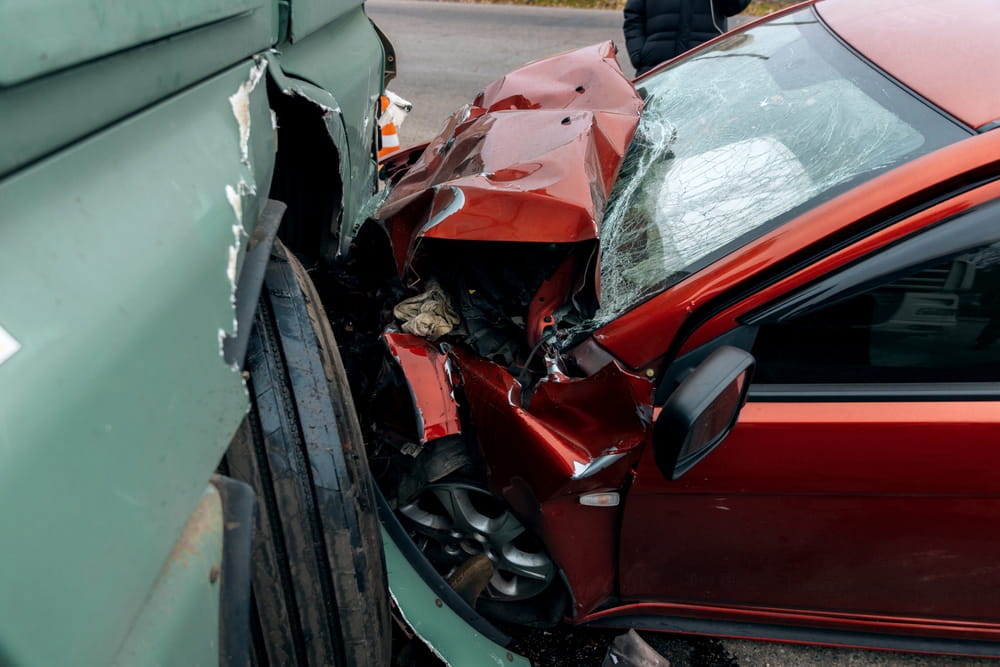
Actions taken after an accident influence both your injury claim and your insurance rates. Protecting your financial interests requires attention to both concerns. The choices you make in the days and weeks following a collision affect outcomes for years to come.
Strategic approaches after an Indiana car accident include the following considerations:
- Filing claims against the at-fault driver’s insurance rather than your own policy when possible.
- Documenting the accident thoroughly with photos, witness contact information, and police reports.
- Seeking medical attention promptly to establish a clear connection between the accident and your injuries.
- Consulting with a car accident lawyer before accepting any settlement or giving recorded statements.
- Shopping for competing insurance quotes if your current carrier raises rates significantly.
These steps protect your right to compensation while minimizing unnecessary impacts on your own insurance premiums. Documentation created immediately after the crash often proves more valuable than memories recalled months later.
Protecting Your Claim from Common Mistakes
Injured drivers sometimes make statements or decisions that harm their cases without realizing the consequences. Apologizing at the scene, even out of politeness, may be interpreted as an admission of fault. Providing recorded statements to insurance adjusters without legal guidance may lock you into positions that undermine your claim.
Social media activity also affects injury claims. Insurance companies may review claimants’ public social media posts for evidence that contradicts injury claims. Photos showing physical activities, travel, or social events may be used to argue that your injuries are less severe than claimed.
When Should You File a Claim vs. Paying Out of Pocket?
After a minor car accident, drivers often must decide whether to file an insurance claim or pay for repairs themselves. The right choice depends on whether a potential increase in premiums outweighs the immediate cost of repairs. There is no universal answer.
What to Consider Before Filing a Claim
An insurance claim becomes part of your claims history. If you caused a low-damage accident, higher premiums over time may cost more than paying for repairs directly.
Some insurers offer claim forgiveness or set dollar thresholds for rate increases, while others adjust premiums after any claim. Reviewing your policy or speaking with your insurance agent can help clarify how a claim may affect you.
Injuries change the analysis. Medical treatment often costs far more than vehicle repairs, even when injuries seem minor at first.
Avoiding treatment to sidestep a claim can jeopardize both your health and your legal rights. When another driver caused the crash, that driver may be legally responsible for your losses, subject to available insurance coverage.
How Legal Guidance Can Help
A car accident attorney can explain your options, assess potential risks, and apply Indiana law to your situation. Many drivers underestimate accidents that later involve ongoing medical care. Speaking with an attorney early helps protect your options, even if you ultimately decide not to move forward with a claim.
FAQs for a Car Accident Attorney
Does my insurance go up if I file a claim but was not at fault?
Your rates may or may not increase. Some insurers raise premiums after any claim, while others only do so for at-fault accidents. Filing through the other driver’s insurance may reduce the risk. Check your policy or ask your agent for specifics.
Does hiring a car accident attorney help with insurance rate concerns?
An attorney focuses on proving fault and recovering compensation from the at-fault driver. Clear documentation of fault may help if your insurer later challenges a rate increase.
How long does an accident stay on my insurance record in Indiana?
Most accidents affect rates for three to five years, depending on the insurer and severity. After that, the impact typically fades if you maintain a clean record.
What if the at-fault driver does not have enough insurance?
Indiana’s minimum coverage (25/50/25) may be inadequate for serious injuries. Your uninsured or underinsured motorist coverage may apply. Insurers must offer this coverage, though drivers may reject it in writing.
What if the insurance company disputes fault?
Fault is proven through evidence such as police reports, witness statements, and photos. If insurers cannot agree, a lawsuit may be filed. Indiana’s comparative fault law allows a jury to assign fault percentages based on the evidence.
Speak with an Indianapolis Car Accident Attorney at Hurst Limontes Today

William Hurst, Personal Injury
Attorney
A car accident can create long-term financial strain. Medical bills, lost income, and higher insurance premiums can add up quickly.
When another driver caused the crash, their insurance is responsible for those losses. Paying them yourself means covering costs caused by someone else’s negligence.
Contact Hurst Limontes today for a confidential consultation and learn how an Indianapolis car accident attorney can pursue compensation while protecting your financial interests.